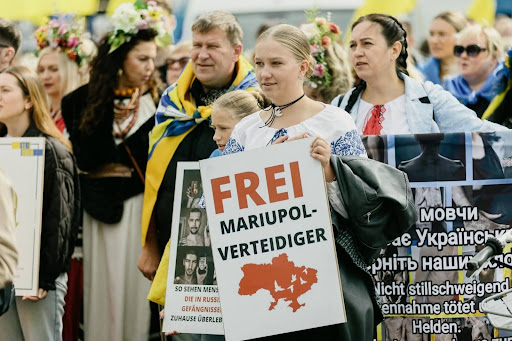
Support for Prisoners of War and Families of Missing Service Members
Ukrainische Kameraden provides legal, organizational, humanitarian, and informational support to Ukrainian prisoners of war, former prisoners of war, and the families of service members who are missing under special circumstances.
We understand that the captivity or disappearance of a loved one is an enormous burden for the entire family. Such situations are often accompanied by uncertainty, emotional distress, and the need to communicate with numerous government institutions and international organizations.
Our team helps families navigate this difficult process by assisting with the preparation of applications and documents, communication with the relevant authorities, and providing legal, social, and psychological support.
We also promote cooperation with international organizations, help raise public awareness of individual cases, and coordinate cooperation with other families and volunteer initiatives. Our goal is to use every available legal mechanism to support the return of service members and protect their rights.
After a person’s release from captivity, we continue to provide assistance with the next stages of recovery, including medical care, psychological rehabilitation, social integration, and returning to everyday life.
Our mission is to support every family and do everything within our power to help every defender return home and rebuild a dignified life.
Support Areas for Prisoners of War and Their Families
Prisoner-of-war status is not only a tragedy for the service member concerned, but also a severe ordeal for the entire family. In such circumstances, it is especially important to act systematically, consistently, and with proper legal guidance.
We help families organize the necessary steps, prepare applications and supporting documents, communicate with national and international institutions, and access legal, social, and psychological support.
1. Contacting Ukrainian Government Authorities
We assist with preparing and following up on requests submitted to the relevant Ukrainian authorities, including:
- the Ministry of Defence of Ukraine;
- the Coordination Headquarters for the Treatment of Prisoners of War;
- the Office of the Ukrainian Parliament Commissioner for Human Rights;
- other government institutions, depending on the circumstances of the individual case.
Within this area, we help families:
- prepare applications, enquiries, and official requests;
- clarify information regarding the service member’s status;
- request that the person be included in prisoner exchange lists;
- seek formal review of submitted applications;
- monitor the case to ensure that it does not remain without action or an official response.
2. Contacting International Organizations
We assist with preparing requests to international organizations responsible for protecting human rights and monitoring compliance with international humanitarian law, including:
- the International Committee of the Red Cross;
- the United Nations;
- other international human rights organizations.
Such requests may be necessary to:
- document information about possible or confirmed captivity;
- obtain information about the person’s location and state of health;
- monitor the conditions of detention;
- facilitate the exchange of letters and personal information;
- draw international attention to a specific case.
3. Media Support and Public Awareness
Public awareness can be an important tool in efforts to secure the return of a service member. With the family’s consent, we help bring appropriate public attention to individual cases.
Support may include:
- preparing appeals and information for media outlets;
- creating materials for publication on social media;
- communicating with journalists, bloggers, and public figures;
- sharing verified information to raise public awareness;
- organizing public information campaigns and events.
4. Connecting with Other Families
We support relatives and loved ones of prisoners of war in joining forces to defend their rights, exchange experience, and strengthen their public voice.
We assist with:
- preparing collective appeals and statements;
- coordinating joint actions;
- communicating with government authorities;
- exchanging up-to-date and verified information;
- organizing and participating in peaceful actions, gatherings, and demonstrations.
5. Legal Support
We provide legal and informational support on matters concerning the rights of prisoners of war, former prisoners of war, and their families.
We assist with:
- confirmation and official recognition of prisoner-of-war status;
- access to statutory payments and financial support;
- applications for compensation and other forms of government assistance;
- communication with military units and government institutions;
- replacement of lost or missing documents.
We also assist with obtaining or restoring:
- a Ukrainian national identity passport;
- an international passport;
- a military identification document;
- a certificate confirming captivity;
- other documents required to obtain assistance and exercise legal rights.
6. Social Support
We support the families of prisoners of war and former prisoners of war in addressing everyday social and practical challenges that may arise before and after a person’s release.
Our assistance may include:
- social guidance and family support;
- help with re-establishing contact between the service member and their family after release;
- assistance during the return home;
- coordination of further support services;
- cooperation with social services, volunteers, and partner organizations.
7. Rehabilitation and Reintegration
After being released from captivity, a person often needs more than physical recovery. Returning to everyday life requires time, support, and access to appropriate rehabilitation services.
We assist with:
- organizing post-release support;
- reintegration into civilian life;
- restoring daily routines;
- social reintegration;
- finding suitable rehabilitation programs and specialist services.
8. Medical Support
We help organize the medical care required after release from captivity.
Our support may include:
- arranging an initial medical examination;
- comprehensive health assessments;
- treatment of physical consequences of captivity;
- referrals to specialist doctors;
- assistance with medical appointments;
- support throughout the rehabilitation process.
9. Psychological Support
Captivity often leaves deep psychological trauma affecting both former prisoners of war and their families.
We help organize:
- individual psychological counselling;
- psychological support for family members;
- trauma recovery and rehabilitation;
- emotional support throughout the recovery process;
- assistance with reintegration after returning home;
- access to peer support and support groups.
10. Humanitarian Assistance
After release, many former prisoners of war urgently need essential everyday items. Whenever possible, we help provide the basic necessities required to begin rebuilding daily life.
Support may include:
- clothing;
- footwear;
- personal hygiene products;
- essential household items;
- other necessities required for rehabilitation and everyday living.
Support for Families of Missing Service Members
When a service member goes missing and their whereabouts remain unknown, immediate, well-coordinated, and legally sound action is essential.
We support families throughout every stage of the search process by helping prepare the necessary documents, submit official applications, verify the possibility of captivity, and monitor the progress of investigations.
1. Opening and Registering the Case
We help families ensure that the disappearance is properly documented and officially registered.
Our assistance includes:
- preparing and submitting a missing person report;
- registering the case in the Unified Register of Pre-Trial Investigations;
- obtaining an official extract from the register;
- applying for the status of “Missing under Special Circumstances”;
- communicating with the military unit and the relevant authorities;
- collecting the documents required to initiate the search process.
2. Submitting Information to Official Registers and Authorities
We assist in submitting all necessary information to the appropriate government institutions and official registers.
This includes:
- the National Police of Ukraine;
- the Unified Register of Missing Persons;
- the Coordination Headquarters for the Treatment of Prisoners of War;
- other authorities responsible for search operations.
We help prepare and submit:
- personal information about the missing service member;
- photographs and identifying features;
- details regarding the circumstances of the disappearance;
- contact information for fellow service members and witnesses;
- DNA samples from close relatives;
- any additional information that may assist the search.
3. Verifying Possible Captivity
The absence of official confirmation does not necessarily mean that the service member is not being held captive. We help explore every available legal avenue to verify this possibility.
Support may include:
- submitting requests to the Coordination Headquarters;
- contacting the National Information Bureau;
- reviewing available prisoner exchange information;
- contacting the International Committee of the Red Cross;
- gathering information through volunteer and civic initiatives;
- reviewing testimony provided by fellow service members and witnesses.
4. Monitoring the Investigation
Families have the right to receive information about the progress of the investigation and to request that all necessary investigative measures are carried out.
Where appropriate, we assist with:
- preparing additional requests and official enquiries;
- filing complaints with the Prosecutor’s Office;
- submitting appeals to the courts;
- requesting interviews with witnesses and fellow service members;
- requesting information from military units;
- initiating additional investigative and search measures;
- monitoring deadlines and official responses.
5. Strengthening Search Efforts and Public Support
Search efforts can often be strengthened through legal action, international cooperation, public awareness, and cooperation with other affected families.
We assist with:
- preparing systematic appeals and complaints;
- contacting international organizations;
- organizing public awareness campaigns;
- working with media representatives;
- sharing verified information through social media;
- preparing collective appeals;
- coordinating joint initiatives with other families of missing service members.
Our Mission
We believe that every service member has the right to protection, to be searched for, to return home, and to have their dignity respected.
Every family has the right to truthful information, professional support, and effective action by the responsible authorities.
Our mission is to ensure that no family faces this difficult journey alone. We help organize the search process and make full use of every available legal mechanism to establish the fate and whereabouts of their loved one.
Why Immediate Action Matters
In cases involving captivity or missing service members, every day matters. Delays may result in the loss of valuable information and opportunities to assist the search.
We therefore recommend acting without delay:
- contact the appropriate authorities immediately;
- document all known circumstances of the disappearance;
- collect documents, photographs, and witness information;
- submit all necessary applications and official requests;
- provide DNA samples from close relatives;
- request verification of possible captivity;
- engage international protection mechanisms where appropriate;
- regularly monitor the progress of the investigation and search.
Contact Us
If your loved one is being held in captivity, has been released from captivity, or is missing under special circumstances, please contact Ukrainische Kameraden.
We will help you assess the situation, determine the appropriate next steps, prepare the necessary documentation, and provide legal, organizational, social, and psychological support throughout the process.
You do not have to face this alone. The earlier action is taken, the greater the opportunity to use every available mechanism to protect your loved one and support your family.